
Leading Foundation Support Products For Long-Lasting Stability
Choose from top products designed to reinforce and stabilize foundations, preventing future damage and costly repairs.
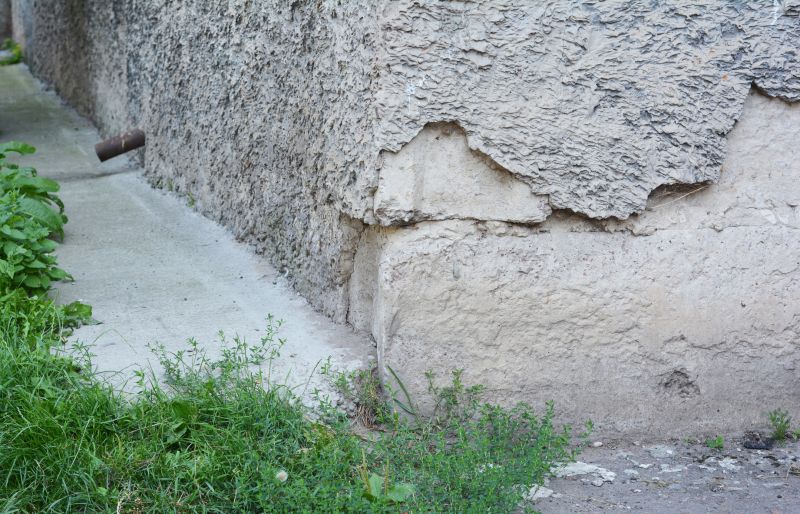 Foundation repairs are a critical aspect of maintaining the structural integrity of a building, especially in areas like Streamwood, IL, where soil conditions and weather patterns can influence foundation stability. A variety of products are available to address different types of foundation issues, from minor cracks to significant shifts. Selecting the right products involves understanding the specific needs of the foundation, the severity of the problem, and the long-term durability of the repair solutions. Proper application and quality materials can help prevent further damage and extend the lifespan of the structure.
Top Overall Option
Hydraulic Foundation Jack System
A hydraulic foundation jack system is a versatile and efficient tool used to lift and stabilize settling foundations. It allows for precise control during lifting operations, helping to realign and support the structure effectively. When combined with other repair products, it can facilitate comprehensive foundation stabilization projects, making it a valuable component for both professionals and experienced DIYers.
Types of Products For Foundation Repairs
Hydraulic Lifting Jacks
Used to lift and level foundations, these jacks provide controlled support during repair processes.
Epoxy Injection Kits
Designed to fill and seal cracks in concrete, restoring integrity and preventing water infiltration.
Polyurethane Foam Injectors
Used to stabilize soil and lift foundations by filling voids and reducing soil movement.
Underpinning Piers
Support systems installed beneath a foundation to provide additional stability and load-bearing capacity.
Steel Push Piers
Heavy-duty piers driven into the ground to lift and stabilize sinking foundations.
Helical Piers
Anchors installed into the ground to provide support for unstable foundations, suitable for various soil types.
Crack Repair Sealants
Flexible sealants that fill small cracks and prevent water intrusion and further damage.
Soil Stabilization Grouts
Injectable grouts used to improve soil strength and reduce settlement issues.
Concrete Patching Materials
Patch and restore damaged concrete surfaces around the foundation.
Drainage Systems
Proper drainage solutions to divert water away from the foundation and reduce soil erosion.
Vapor Barriers
Installations to prevent moisture migration into the foundation area, helping to control humidity and prevent damage.
Soil Moisture Control Products
Devices and solutions to maintain consistent soil moisture levels around the foundation.
Foundation Bolts and Anchors
Reinforcement hardware used to secure and stabilize foundation components.
Waterproofing Membranes
Protective layers applied to foundation surfaces to prevent water penetration.
Vibration and Soil Compaction Equipment
Tools used to improve soil density around the foundation, reducing settlement risks.
Popular Choices
Widely used for lifting and leveling foundations in various repair projects.
Commonly selected for sealing cracks and restoring concrete surfaces.
Popular for soil stabilization and foundation lifting applications.
Frequently used for underpinning and supporting sinking foundations.
Chosen for their adaptability to different soil conditions and foundation types.
A common solution for small to medium cracks to prevent water intrusion.
Effective in directing water away from foundations to prevent future issues.
Popular for moisture control in basement and crawl space areas.
Frequently used for surface repairs around foundations.
Selected for their ability to improve soil stability in repair projects.
Commonly used to reinforce and secure foundation components.
Widely applied to protect foundations from water damage.
Many foundation repair products are designed to stabilize and lift foundations, seal cracks, or reinforce weak areas. These solutions often include hydraulic jacks, epoxy injections, polyurethane foam, and underpinning systems. Each product type serves a specific purpose and can be used in combination for comprehensive repair strategies. It is important to consider professional consultation to assess the damage accurately and determine the most suitable products for the job.
Investing in the right foundation repair products can also enhance safety and property value. While some products are suitable for DIY repairs, others might require professional installation to ensure effectiveness and safety. Regular inspection and maintenance, along with the appropriate use of repair products, can help homeowners and property managers maintain a stable foundation over time. Always prioritize quality and compatibility with existing structures when selecting foundation repair solutions.
Key Buying Considerations
- Assess the specific foundation issue to determine the appropriate product type.
- Consider the severity and extent of damage to select suitable repair solutions.
- Evaluate the compatibility of repair products with existing foundation materials.
- Prioritize products with proven durability and resistance to environmental factors.
- Determine whether professional installation is recommended or if DIY is feasible.
- Review product specifications for load-bearing capacity and application methods.
- Check for ease of use and whether specialized tools are required for installation.
- Ensure products are designed to address both immediate repair needs and long-term stability.
- Consider the potential need for supplementary products such as drainage or moisture barriers.
- Verify product safety standards and compliance with local building codes.
- Look for products with clear instructions and reliable customer support.
- Estimate the overall project budget, including labor, materials, and ongoing maintenance.
- Research customer reviews and expert opinions for insights on product performance.
- Assess the availability of replacement parts or additional components for future repairs.
- Determine the environmental conditions of the site that may influence product choice.